Whether you need a dependable work truck or a serious off-road machine, there's likely an F-150 generation that fits your needs. If you're shopping used, knowing what changed from one generation to the next (and which model years have the fewest reported problems) in this used pickup truck can help you make a smarter purchase.
Key Takeaways
- The current-generation F-150 offers hybrid and electric powertrains and the widest range of trims.
- The 13th-generation introduced aluminum body construction.
- Later model years within each gen are the most reliable, with 2014, 2018-2020, and 2024-plus models standing out.
14th Generation (2021-Present)
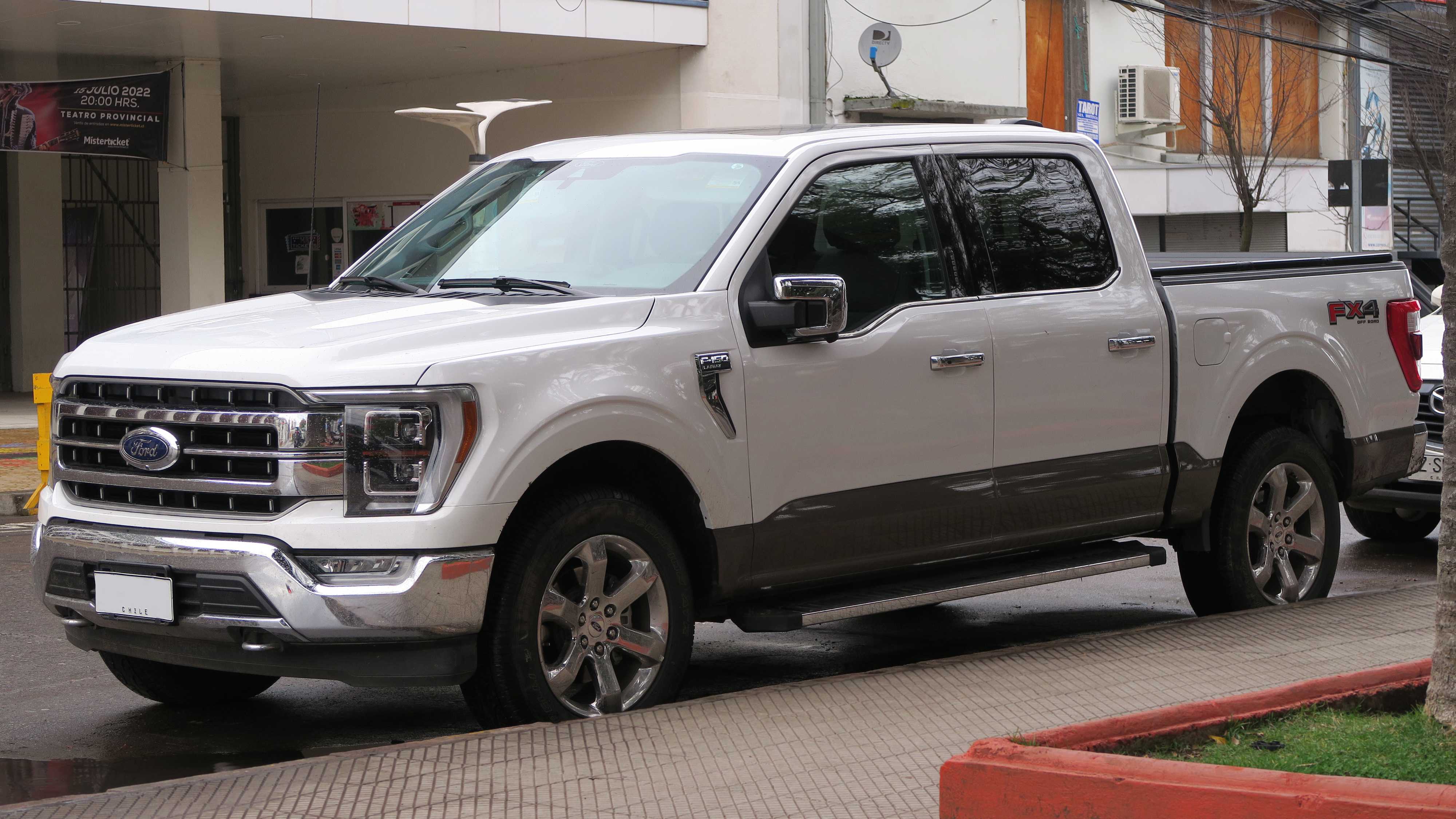
Fourteenth-gen buyers can choose from regular, SuperCab, and SuperCrew body styles. and available engines include the Flex Fuel Cyclone V6, Coyote V8, two EcoBoost twin-turbocharged V6 options, the Raptor-exclusive Carnivore V8, a Power Stroke diesel V6, plus hybrid and EV models. Every version pairs with a 10-speed automatic.
The trim lineup ranges from the work-focused XL to the luxurious King Ranch and Platinum, while Tremor, Raptor, and Raptor R models deliver impressive off-road capability. Interior tech took a major leap forward with larger Sync 4 touchscreens, while features like Pro Trailer Backup Assist and the Pro Access Tailgate, introduced for 2024, make towing and cargo management easier. The all-electric F-150 Lightning also brought unique features, including Pro Power Onboard, up to 580 horsepower, and as much as 320 miles of driving range.
This generation also experiences its share of issues. Buyers have reported transmission slipping or power loss, engine stalling, FWD engagement problems, infotainment connectivity and AC failures. Certain 2021-2023 models were recalled because rear axle bolts could fail, and some 2024 trucks were recalled for improperly installed windshields.
13th Generation (2015-2020)
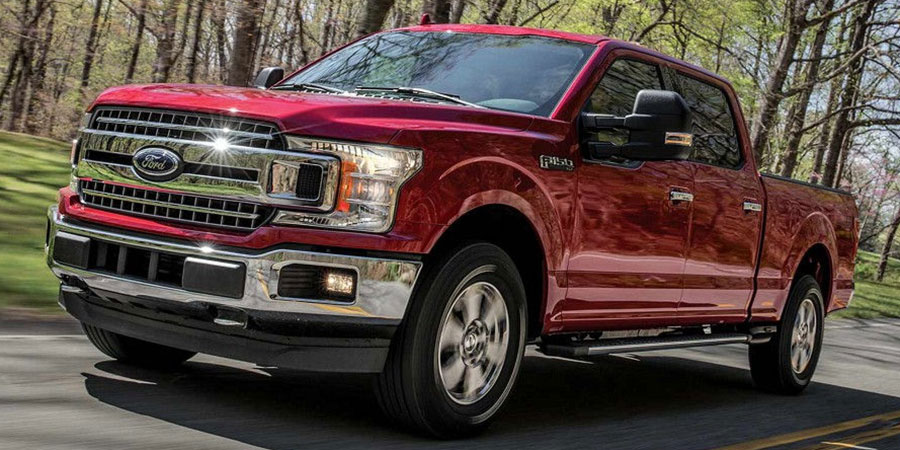
At this time, the F-150 became the first high-volume American pickup built with an aluminum body to reduce weight while improving performance and mileage. It also introduced more driver assistance features, including a standard rearview camera, in 2018.
Engine choices range from multiple Cyclone V6 and EcoBoost V6 engines to the Coyote V8 and a Power Stroke diesel V6. Depending on the model year, buyers could choose between six-speed and 10-speed automatic transmissions. Trims are the XL, XLT, Lariat, King Ranch, Platinum, and Limited models, while the Raptor made its return for 2017 without the SVT branding. Apple CarPlay, Android Auto, Wi-Fi connectivity, heated steering wheels, moonroofs, and power running boards became increasingly common as the generation progressed.
This gen is also not without its share of problems. The 2016 model has electrical issues affecting the infotainment system, safety sensors, rearview camera, and power steering. Some 2017 trucks with the 3.5-liter EcoBoost engine experienced coolant leaks, overheating, and transmission concerns. 2018 to 2020 models generally offer stronger reliability and improved corrosion protection. As a result, they are some of the most desirable used F-150s.
12th Generation (2009-2014)
An all-new platform with updated chassis components, redesigned bodywork, and an expanded engine lineup came to the F-150's 12th-generation lineup. Buyers could choose from several V6 and V8 engines, including the introduced EcoBoost V6, while four- and six-speed automatic transmissions replaced the previous manual option. Ford Sync, Bluetooth connectivity, and USB ports also became available at this time.
Trim choices ranged from the basic XL to upscale King Ranch and Platinum models, while specialty versions such as the Harley-Davidson edition, Tremor, and SVT Raptor appealed to enthusiasts.
Now, the problems. The 2013 F-150 saw its share of transmission issues that included rough shifting, unexpected downshifts, and slipping under load. But the good news--the 2011 and 2012 EcoBoost-powered trucks have earned a reputation for solid reliability, and the 2014 model is widely regarded as one of the strongest choices of the generation.
| Generation |
Highlights |
Watch For |
Best Years |
| 14th (2021-Present) |
New hybrid and Lightning EV, Sync 4, Pro Trailer Backup Assist, Pro Access Tailgate (2024+), wide range of engines and trims |
Transmission issues, engine stalling, 4WD concerns, infotainment glitches, A/C problems, rear axle bolt and windshield recalls |
2024-2025 |
| 13th (2015-2020) |
Aluminum body, EcoBoost engines, more driver-assistance tech, Apple CarPlay/Android Auto, Raptor returns |
2016 electrical issues; 2017 3.5L EcoBoost coolant leaks and transmission problems |
2018-2020 |
| 12th (2009-2014) |
New platform, EcoBoost debuts, Ford SYNC, Bluetooth, wide engine and trim selection |
2013 transmission problems, including rough shifting and slipping |
2011-2012, 2014 |
Which Used Ford F-150 Generation Is Right for You?
The best used Ford F-150 depends on your budget and priorities. For the strongest combination of features and reliability, later model years from each generation are generally the safest bet. If you're unsure of which is best for you--we're here to help at All Star Car Sales. It's Alan Jay Way!